
Snapshot: Kansas Medicaid and Public Health Partnership
Kansas offers a model for bridging Medicaid and public health silos, moving from episodic, event-driven coordination to a...
South Carolina Medicaid Director Eunice Medina talks HCBS expertise, legislative relationship-building, and keeping the member at the center of every decision.
Q: What motivated you to pursue a career in public service?
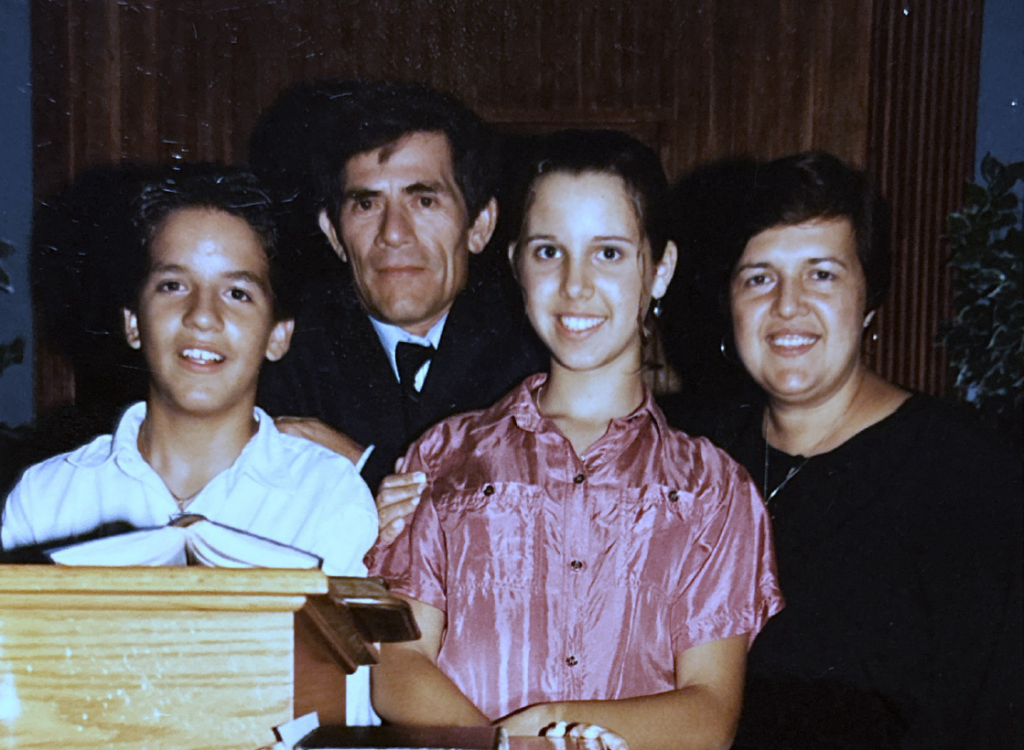
I’ve always wanted a career that would lead to helping people in need. Part of that comes from my own family’s story. I’m a first-generation American, my parents were immigrants who became citizens after a long journey. They didn’t always have food security or job security, and we relied on assistance from community and church, even food stamps for a short period. I saw those struggles firsthand, not just in my family but in the people around me, and I knew I wanted to do something that would help others. I didn’t set out to work in Medicaid but that drive to help was always there.
Q: You came to South Carolina after working in Florida’s Medicaid agency, two very different Medicaid landscapes. What surprised you most about stepping into a new state environment?
Everyone in this industry says “If you’ve seen one Medicaid program, you’ve seen one Medicaid program” — but I was still surprised by how similar Florida and South Carolina looked on the surface. They had very similar programs and service names, but once I dug into the policies, I realized how much the political landscape and provider network within each state drove policy decisions. I had to learn quickly, I couldn’t assume anything. Just because something had a similar name, the intent behind a program could mean something very different from state to state. Even acronyms tripped me up. I’d hear one in a meeting, assume I knew what it meant because it sounded like something from Florida, and then found out it meant something completely different.
I spent that first year studying, reading, and talking to everyone in the agency, learning the “why” behind everything before trying to shape what the future would look like. Being new, you have to earn trust, you don’t want to start off breaking things because you didn’t take time to understand. By my fifth year, I finally feel like I’ve cracked the code.
Q: You got your start in Medicaid working in self-directed services for individuals receiving home- and community-based services (HCBS). Few Medicaid directors bring as deep a background in HCBS as you do. How has that expertise shaped your day-to-day work in South Carolina?
HCBS will always have a special place in my heart. I did that work for 11 years in Florida before moving to the Medicaid agency directly. I got to do ride-a-longs, site visits, audits, and I’ll never forget meeting Medicaid members in assisted living facilities or their homes and talking with their caregivers. That population, people receiving HCBS or nursing facility services, is our most vulnerable. They need care daily, and often all they have is the people in Medicaid advocating on their behalf.
That’s something I try to instill in staff here. We just had a staff retreat where I told everyone: when you’re facing a difficult decision or a complex problem, keep the member in mind. When you put that person first, the answer becomes obvious. That’s what’s driven a lot of our decisions, and it’s a big part of why I’m excited about one of our major initiatives this year — carving HCBS into managed care.
Q: You had a pretty immediate crash course in legislator relations since your confirmation required a state Senate vote. What did that experience teach you about working with legislators, and what advice would you give other Medicaid directors on building those legislative relationships?
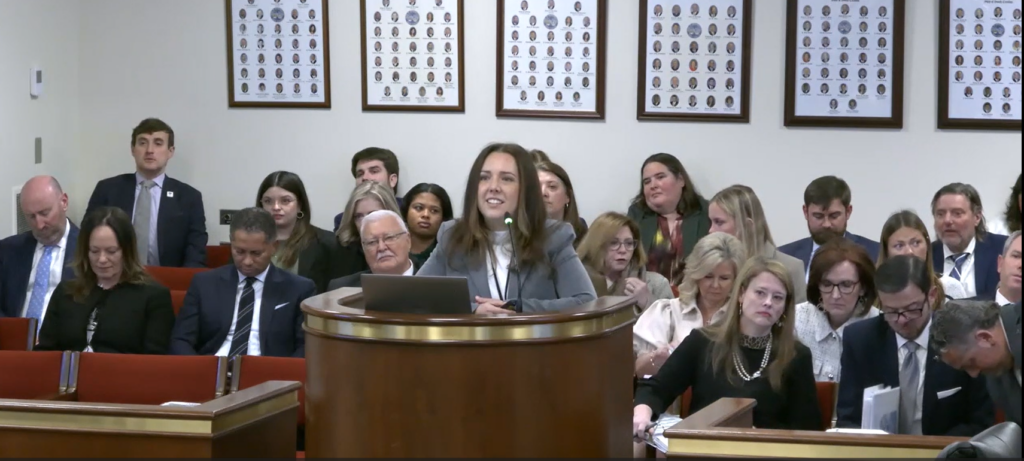 I give a lot of credit to my predecessor. He was born and raised in South Carolina, worked in state government for 30 years, and had been Medicaid director twice. He was well known and well-liked by legislators, many of whom had served for years. He took me to meetings early on, even before legislators knew my name. Just being there and observing was invaluable. I watched how he communicated, how he broke down complex Medicaid concepts into terms legislators could follow. That’s one of the hardest adjustments for anyone who grows up in Medicaid: the more you know, the more you want to get into the weeds, but you have to resist that with people who aren’t in the program every day.
During my confirmation process, I focused on building relationships with legislative staffers. I became close with the administrative assistants while scheduling appointments and got to know everyone in the Senate. They started feeling comfortable reaching out to me directly, which I think is key. I’d also study one-pagers on each legislator before meetings, learning where they were from, what their district was like, to find a way to connect. I was surprised how many legislators were originally from Florida, which won me points right away.
My advice: focus on your finance committee members and committee chairs, since ensuring your Medicaid budget is central to the job. Go to their home districts months before a budget hearing, make sure they feel part of the process, and let them ask the questions they might not want to ask publicly. By the time I’m at a hearing, I already know what’s coming and can make sure my slides answer the questions they’ve raised. Follow their lead on what they want to hear, you don’t need to share everything about your agency if that’s not the point of the hearing.
Q: What’s one initiative or innovation in South Carolina Medicaid you’re most proud of?
For my first three years here, there was a major statewide push toward behavioral health, backed by the General Assembly and the Governor’s office. We had a major infrastructure investment granted to the Medicaid agency. One result was getting every single school in South Carolina a counselor within the first two years of the initiative, which was well received by families. 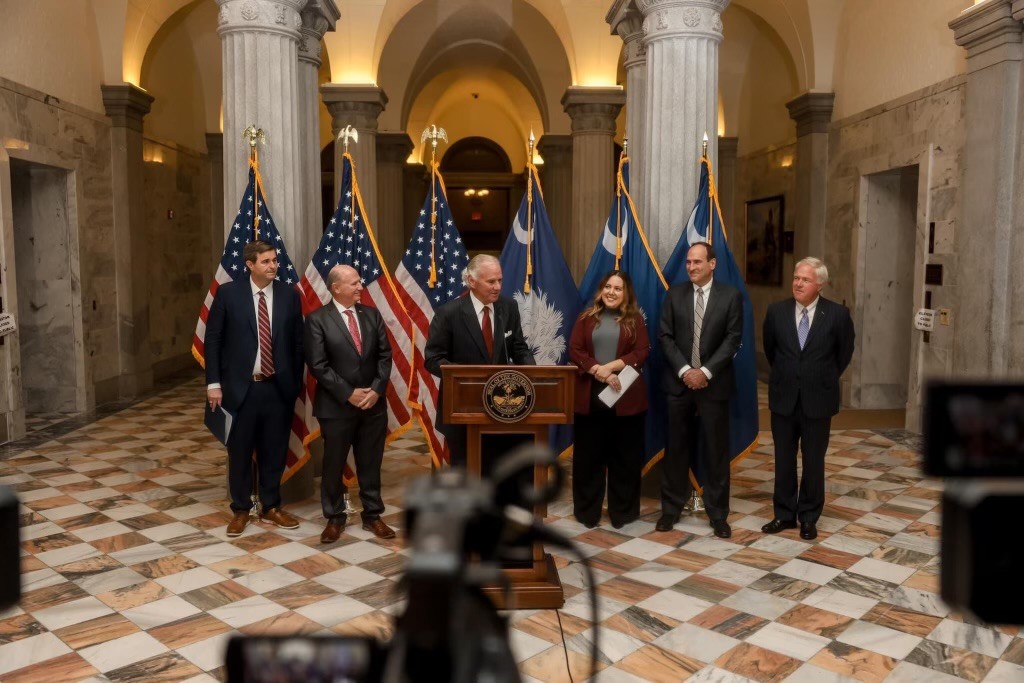
We also identified a shortage of community-based behavioral health providers to complement inpatient psych beds, so a lot of that funding went toward rate increases and building two behavioral health hubs in areas the data showed needed them most, places where people were ending up in the emergency department. One hub is already open, offering community services and inpatient beds along with services for youth that didn’t exist before. The second hub is set to open next year. It’ll take another two to three years for everything to be fully up and running, but members with serious mental illness are already in a much better position than they were five years ago.
Q: What advice would you give to partners who want to work more closely with Medicaid?
We have an open-door policy here whether you’re a provider, an association, or another state agency. That’s the philosophy I’ve seen work best at every Medicaid agency I’ve been part of. The partners who succeed are the ones who come in having done their homework. You don’t need to understand Medicaid inside and out, that’s what we’re here for, but bring evidence and data to support your idea, and keep in mind who we serve: [in South Carolina] predominantly children, pregnant mothers, and people with disabilities. If an initiative doesn’t serve that population, it’s a hard conversation to have. The more information you bring to that first meeting, the more productive the conversation, and the faster we can get to concrete next steps. Everything is ultimately dependent on funding, and we’re not bringing anything to the legislature that isn’t backed by solid research.
Drop us your email and we’ll keep you up-to-date on Medicaid issues.