
Close

Stay informed

Drop us your email and we’ll keep you up-to-date on Medicaid issues.

This site is protected by reCAPTCHA and the Google Privacy Policy and Terms of Service apply.

Building Better Medicaid Partnerships

Medicaid doesn’t function without partnership: contracted health plans that administer benefits, IT vendors that build systems to pay claims and enroll members, private providers deliver health care services to Medicaid members. 

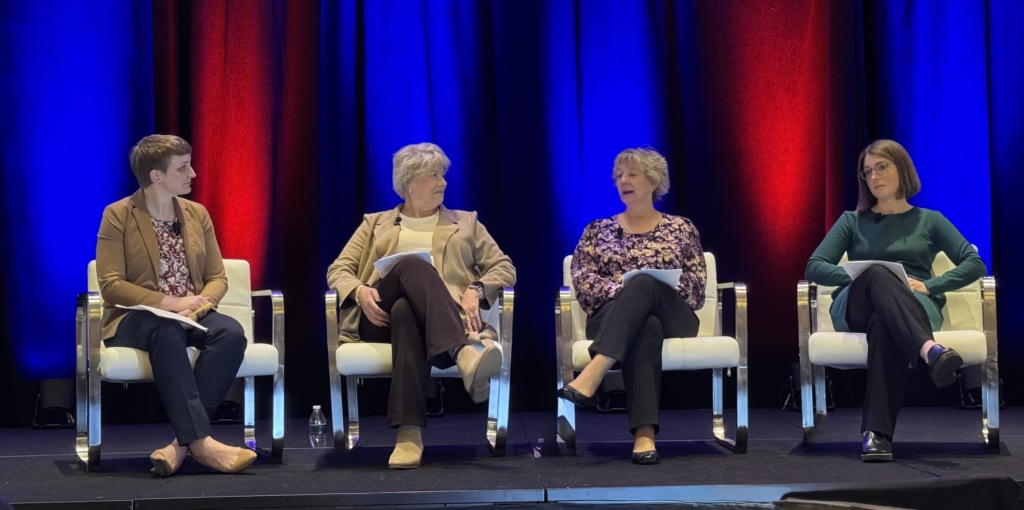
Medicaid doesn’t function without partnership: contracted health plans that administer benefits, IT vendors that build systems to pay claims and enroll members, private providers deliver health care services to Medicaid members. At NAMD’s Fall Conference, three Medicaid leaders, Sandra Ouellete, Medical Administration Manager with Connecticut Department of Social Services, Christine Osterlund,  Medicaid Director with Kansas Department of Health and Environment, and Emily Ricci, Medicaid Director with Alaska Department of Health, unpacked the elements of an effective Medicaid partnership.
  • Clear, open, and honest communication is key. This means sharing bad news and having hard conversations. It also means staying aligned around shared goals. Medicaid leaders discussed the importance of having strong working relationships to enable this type of communication where you can pick up the phone and call one another when issues arise.
  • It takes two to tango. The Medicaid agency’s role in a state’s partnership with a contractor is just as important as the role of a contractor. The Medicaid program must articulate a clear vision and goals for its contractors, be proactive in working together, and have clear contracts. It’s also important for the Medicaid agency not to fall into an “us” vs “them” mentality but instead recognize that contractors’ success is essential to the Medicaid program’s success.
  • Mutual understanding builds trust. The Medicaid agency should strive to listen actively and understand the context and constraints of its partners. Medicaid partners also need to do their homework before engaging with Medicaid to understand the pressures facing the program. If Medicaid is facing a budget crisis, for example, asking for a service expansion may not be appropriate. Mutual understanding can also be established by giving state and territory partners some grace. Medicaid agencies have more on their plate than they can possibly advance. The issue you’re bringing to the Medicaid agency’s attention might be compelling, but it might not be the right time.
Lindsey Browning of NAMD, Christine Osterlund of Kansas, Sandra Ouellete of Connecticut, and Emily Ricci of Alaska

Medicaid programs rely on partners to provide access to care for the nearly 78 million people who are covered through Medicaid and CHIP. In a program as complex as Medicaid, effective partnership is essential. Transparent communication, clear vision, and mutual understanding are three elements to foster these successful partnerships.

Related resources

Stay Informed

Drop us your email and we’ll keep you up-to-date on Medicaid issues.